



Rwanda Agriculture and Animal Sources Improvement Board (RAB) is racing to shut important gaps in livestock postmortem investigations after incomplete documentation left tons of of farmers unable to assert compensation for losses.
In accordance with RAB, it had intensified coaching for veterinarians to enhance loss evaluation and livestock autopsy investigations.
Officers mentioned incomplete documentation was among the many causes some livestock farmers miss out on insurance coverage payouts underneath the Nationwide Agriculture Insurance coverage Scheme. This situation is widespread in districts with frequent illness outbreaks, comparable to Nyagatare.
RAB mentioned as much as 150 livestock insurance coverage claims fail each month as a result of veterinary stories lack adequate scientific proof or clear diagnoses required by insurers.
“We’re equipping our veterinarians with the information wanted to change into honest referees between farmers and insurance coverage firms,” mentioned Fabrice Ndayisenga, head of animal sources growth and illness management at RAB.

“It has change into clear that some veterinarians contributed to farmers failing to get compensation due to insufficient information. We’re coaching them to work ethically utilizing science and integrity each throughout loss assessments and whereas dealing with postmortem examinations,” he added.
Underneath present rules, farmers should notify veterinary officers inside two hours after an animal has died to permit well timed examinations. Veterinarians are anticipated to finish examinations inside 4 hours after notification, whereas insurers should obtain stories inside one week and course of compensation inside 30 days.
Nonetheless, officers and veterinarians mentioned delays usually outcome from late reporting. Some claims are additionally denied because of lacking or unclear particulars within the stories.
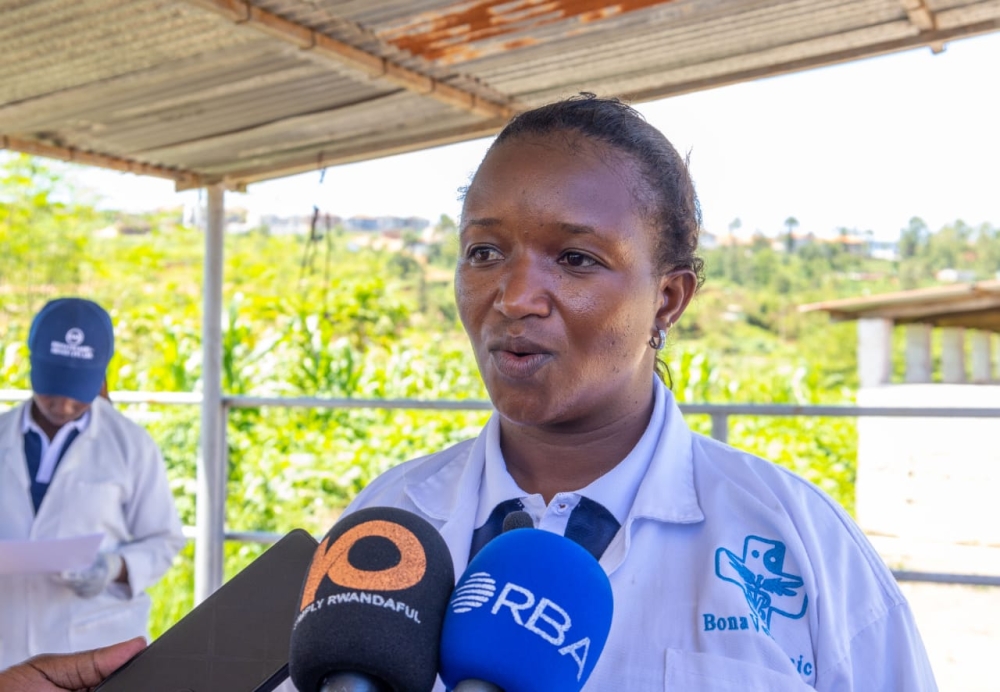
Deborah Umugwaneza, a veterinarian in Muhanga District, mentioned restricted sensible information beforehand made it troublesome for her to find out the precise causes of an animal's dying.
“One time, I examined a pig that had died bleeding from the mouth and nostril, however I couldn’t decide the precise reason for dying,” she mentioned. “I realised that my restricted information prevented me from making knowledgeable conclusion.”
“By the programs we have now attended, I now have adequate information about completely different ailments, their signs and the organs they have an effect on,” Umugwaneza mentioned. “I imagine I cannot face the identical challenges I confronted earlier than.”
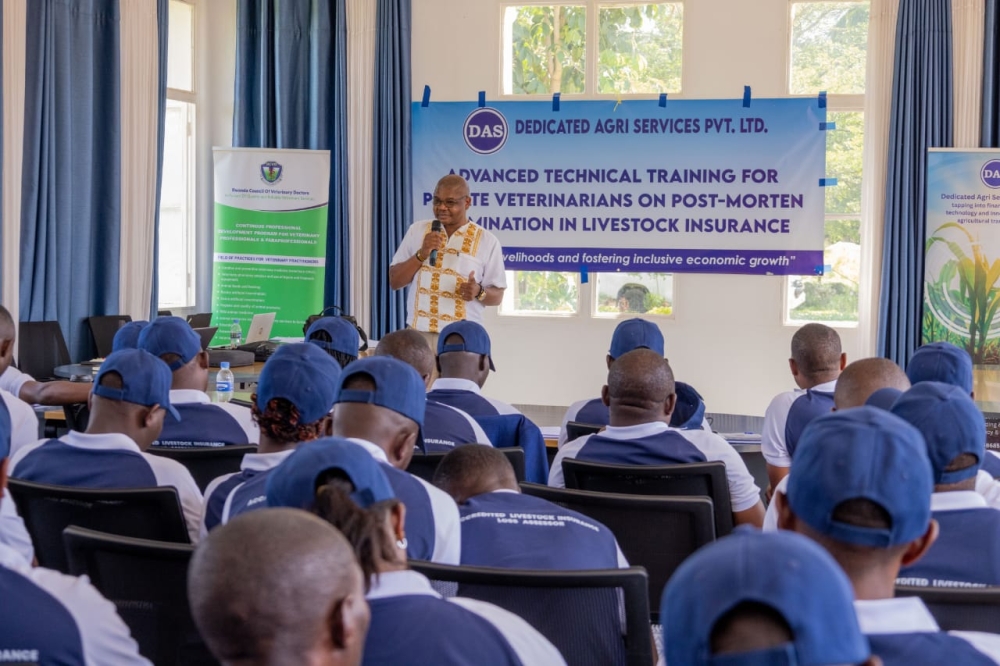
RAB, in partnership with Devoted Agri Providers PVT LTD, has educated 100 veterinarians and paraveterinarians from throughout the nation in livestock loss evaluation and postmortem procedures.
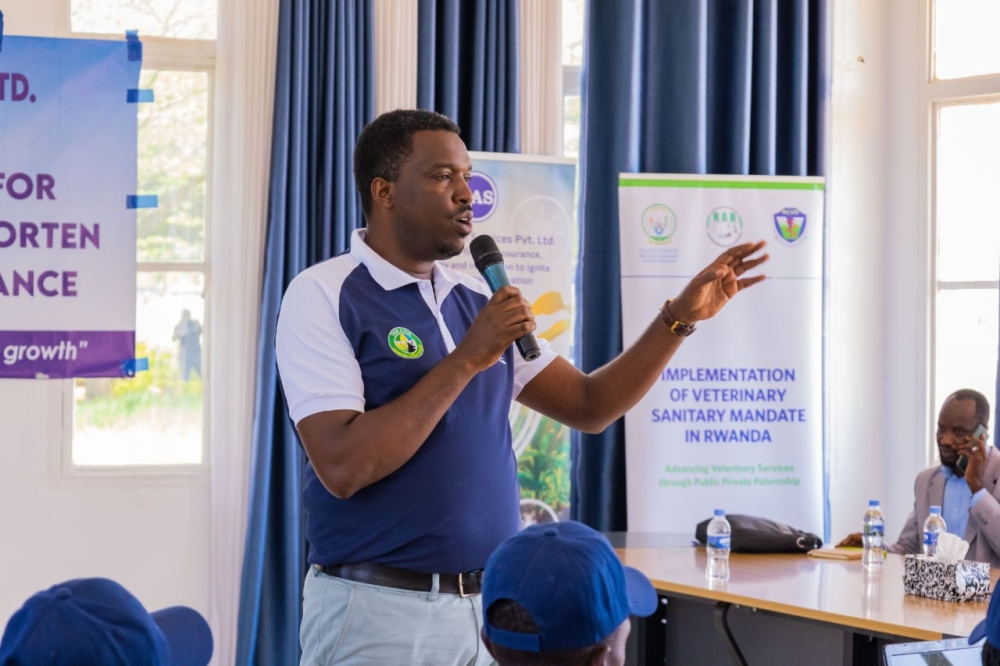
Lambert Niyonshuti, one of many trainers, mentioned in some conditions, farmers might seem extra educated about the reason for dying as a result of they’d carefully monitored their animals.
“There have been circumstances the place a veterinarian would merely write that the animal died from a tick-borne illness, but there are about 5 completely different tick-borne ailments,” Niyonshuti mentioned.
He added that veterinarians want coaching to realize sufficient confidence to clarify diagnoses in advanced circumstances.
RAB mentioned that veterinarians whose negligence impacts compensation claims or public well being might face disciplinary motion and authorized penalties.
“A veterinarian will not use lack of information as an excuse,” Ndayisenga mentioned. “They will face penalties each via skilled our bodies and in courts of legislation.”
He mentioned some veterinarians have already been required to compensate farmers for losses linked to skilled negligence.
“For instance, a veterinarian might approve meat from an animal that shouldn’t be consumed, which later impacts individuals's well being,” he mentioned. “We began with coaching, and we’ll now start holding them accountable.”
In 2023, Rwanda had about 5,000 veterinary practitioners registered with the council of veterinarians. Officers mentioned the nation wants about 13,000 to fulfill the livestock-to-vet ratio.


